
Colorectal Cancer Awareness: Prevention, Screening, and Early Detection
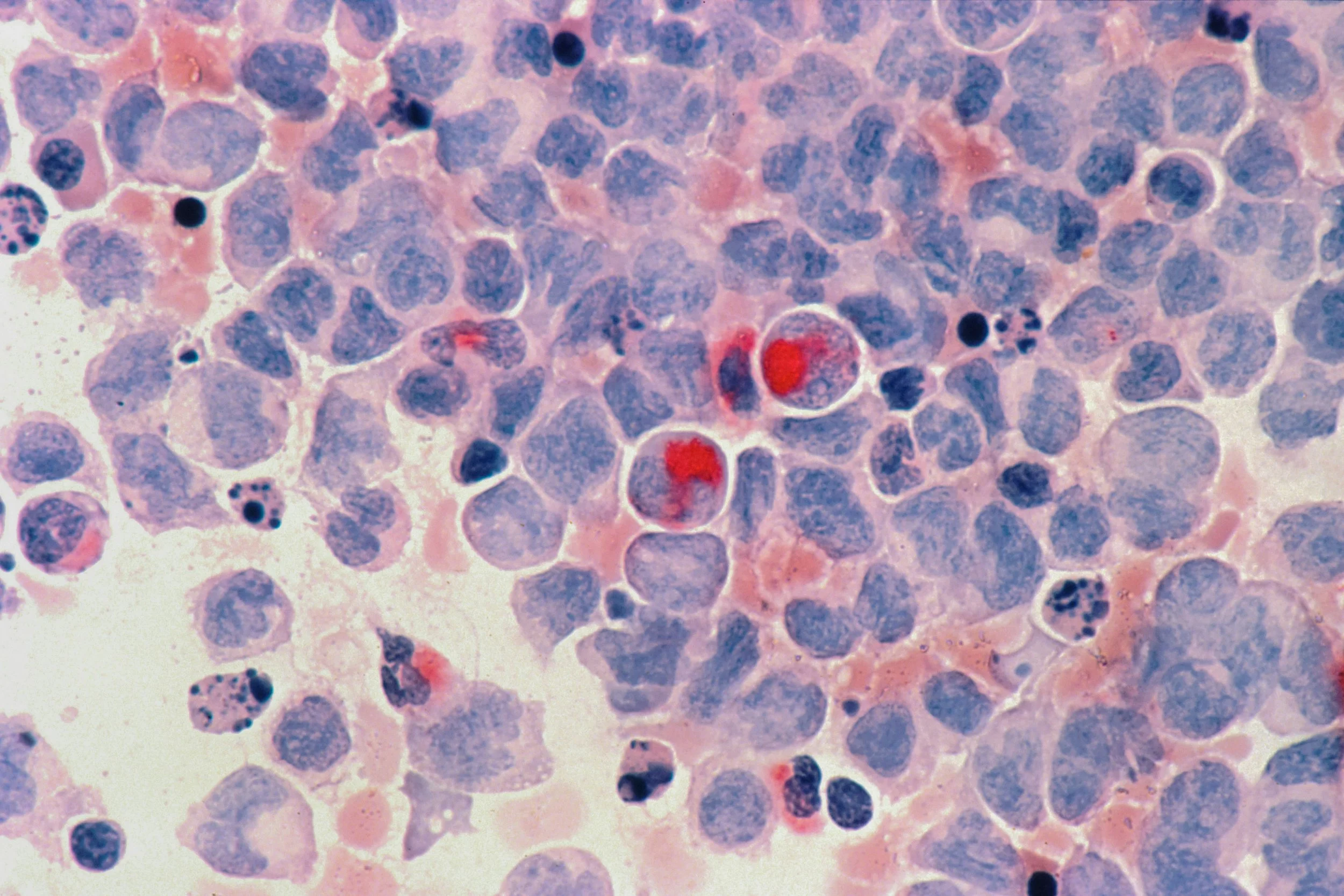
March is Colorectal Cancer Awareness Month, a reminder that colorectal cancer remains one of the most common and preventable cancers in the United States. Screening and lifestyle interventions play a critical role in reducing both incidence and mortality.
Colorectal cancer often develops slowly from precancerous polyps. These growths can be identified and removed before they become malignant, which is why screening is so important and effective. Current guidelines recommend that average-risk adults begin screening at age 45, with earlier or more frequent screening for those with added risk factors.
Risk factors include a family history of colorectal cancer or polyps, inflammatory bowel disease (such as Crohn’s disease or ulcerative colitis), genetic syndromes, sedentary lifestyle, obesity, smoking, and diets low in fiber and high in processed meats. Cases are being increasingly diagnosed in younger adults, highlighting the importance of awareness and early evaluation.
From a prevention standpoint, dietary fiber plays a central role. Higher fiber intake supports regular bowel movements, promotes a healthy gut microbiome, and may reduce the contact time between potential carcinogens and the intestinal lining. A diet rich in vegetables, fruits, legumes, and whole grains is consistently associated with improved colorectal health. Additional preventive strategies include: maintaining a healthy weight, engaging in regular physical activity, limiting alcohol intake, and avoiding tobacco use.
When it comes to screening options, patients often ask about stool-based testing versus colonoscopy:
Colonoscopy remains the gold standard. It allows direct visualization of the entire colon and enables removal of precancerous polyps during the same procedure, offering both diagnostic and preventive benefits. It is typically repeated every 10 years for average-risk individuals. However, it requires bowel preparation, sedation, and carries a small risk of complications such as bleeding or perforation.
Stool-based tests, such as FIT or stool DNA testing (e.g. Cologuard), provide a non-invasive alternative that can be done at home. These tests detect hidden blood or abnormal DNA associated with colorectal cancer. They are convenient and do not require preparation or sedation, but they must be performed more frequently (annually for FIT or every three years for stool DNA testing), and a positive result always requires follow-up with a colonoscopy. Additionally, stool tests may miss some polyps or cancers that are not actively bleeding.
Ultimately, the “best” screening test is the one that is completed consistently. Screening has been shown to significantly reduce colorectal cancer mortality through early detection and removal of precancerous lesions.
For individuals aged 45 and older (or younger patients with risk factors), this is an appropriate time to discuss screening options. Patients are encouraged to schedule an appointment to review personal risk, determine the most appropriate screening strategy, and take a proactive step toward long-term health.
**Medical Disclaimer** Please note that the information provided in this blog post is for educational and informational purposes only. It is not intended as a substitute for professional medical advice, diagnosis, or treatment. Always seek the advice of your physician or other qualified health provider with any questions you may have regarding a medical condition. Never disregard professional medical advice or delay in seeking it because of something you have read in this blog post.