
After the Fire: Caring for Your Body When Your World Has Been Turned Upside Down
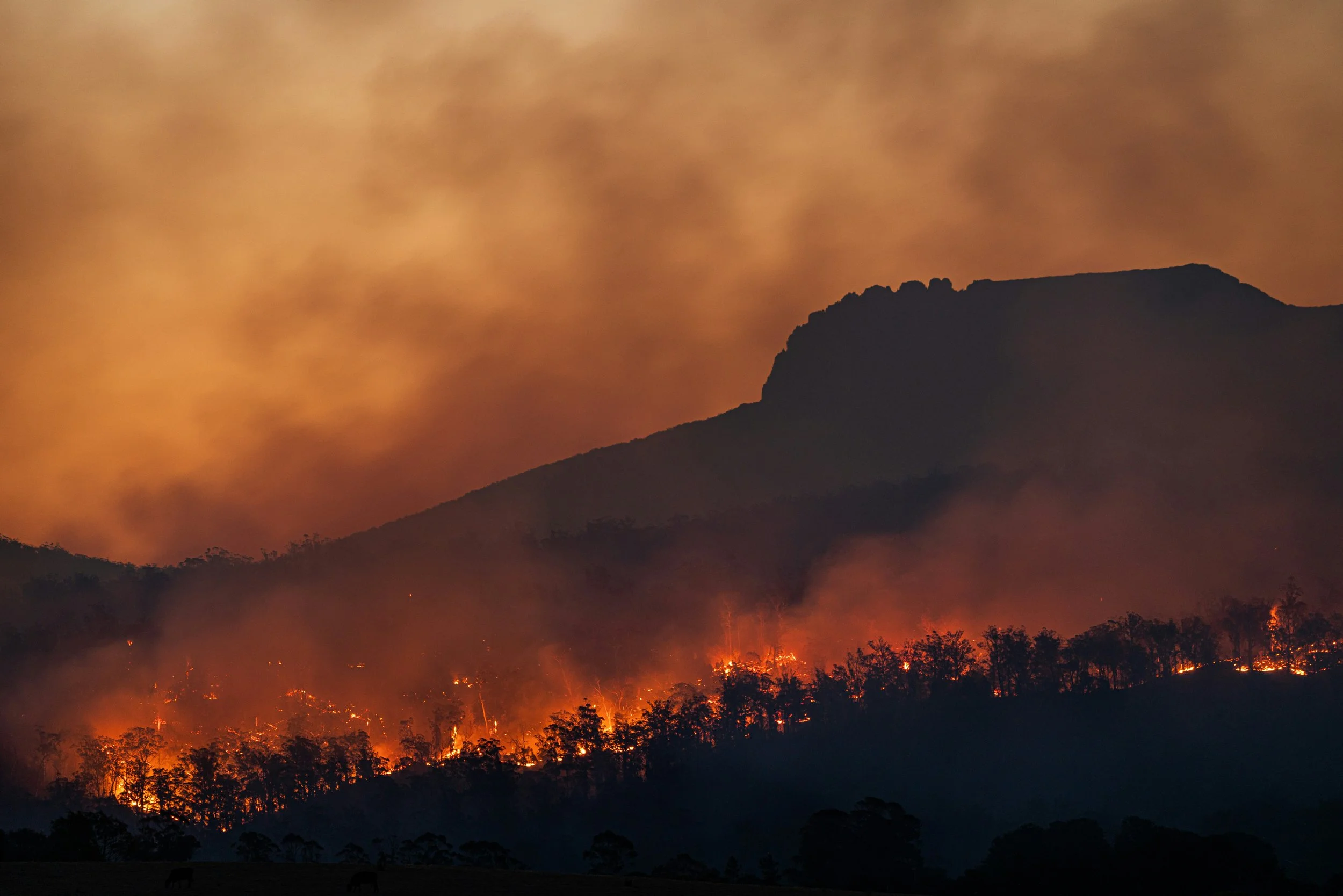
The fires that swept through the Spokane region this August have left behind something that cannot be measured simply in acres burned or structures lost.
Homes have been destroyed. Neighborhoods have been changed forever. Families have lost possessions that cannot be replaced—photographs, heirlooms, keepsakes, and the familiar surroundings that make a house a home. More than 65,000 people were displaced during the Spokane Complex fires, and 833 structures were reported lost or damaged. The Spokane County Assessor has estimated that the total property damage will exceed $1 billion.[1,2]
For those who experienced these fires firsthand, the crisis did not end when the flames were contained or evacuation orders were lifted.
In many ways, another phase has just begun.
When the Emergency Ends but the Stress Continues
The human body is remarkably well designed to respond to an acute emergency: Adrenaline rises, heart rate increases, and attention narrows toward immediate survival. These responses are appropriate when you need to evacuate your home, but they become much more complicated when the emergency continues for days or weeks.
Evacuation, disrupted sleep, uncertainty, financial concerns, and the emotional experience of not knowing whether your home is still standing can all place enormous demands on the human body.
And for those who lost their homes or livelihoods, the stress does not simply disappear when it becomes safe to return.
Grief itself is a physiological experience.
There is no need to pathologize grief or treat it as something that needs to be "optimized away." Grieving a home, a neighborhood, or a way of life is a profoundly human response to profound loss.
At the same time, prolonged psychological stress can affect sleep, immune signaling, and inflammatory physiology. Taking care of your physical health during this period is not an attempt to minimize the emotional experience, but is one way to support yourself as you move through it.
Returning Home Brings a Different Set of Risks
For those fortunate enough to return to a standing home, another important consideration is that the environment inside and around the home may have changed.
The Spokane Regional Health District has emphasized that authorization to re-enter an area does not necessarily mean an individual property is safe to enter, clean, or occupy. Fire-damaged properties may contain ash, damaged building materials, asbestos, lead, compromised electrical systems, fuel, chemicals, and other hazards.[3]
If you are returning to a fire-affected property, take precautions before you begin cleaning. An N95 respirator, gloves, protective clothing, and eye protection can help reduce exposure during cleanup. Avoid dry sweeping or other activities that stir ash and settled dust back into the air. If vacuuming is appropriate, use a HEPA-filtered vacuum designed to capture fine particulate matter.[3,4]
For properties that have sustained significant fire damage, cleanup should not simply be approached as a household cleaning project. Spokane Regional Health District specifically advises that ash and debris should not be removed from fire-damaged structures until appropriate asbestos assessment requirements have been addressed.[3]
This distinction is important.
Smoke exposure and post-fire cleanup are not the same exposure.
Wildfire smoke primarily raises concerns about fine particulate matter and combustion products in the air. Returning to a fire-affected property can involve ash, contaminated dust, damaged building materials, and potentially hazardous substances released during combustion.
The recommendation is to follow the guidance of local emergency management and public health authorities, and use qualified professionals when the condition of a property warrants a specialized assessment or cleanup.
Don't Forget the Physiological Recovery
For people who have spent the past several weeks in survival mode, the priority is often surprisingly basic: Focus on regular sleep patterns, stay hydrated throughout the day, maintain access to necessary medications, and surround yourself with community support.
These interventions may seem almost too simple in the face of such a profound event, but they provide the biological foundation for recovery.
Patients with preexisting metabolic or inflammatory conditions may need particular attention during this period. Acute stress can worsen glucose regulation, blood pressure, gastrointestinal symptoms, sleep, fatigue, and inflammatory symptoms. That does not necessarily mean a new disease has developed. It may simply reflect the body's response to an extraordinary stressor.
If symptoms persist after the immediate crisis has passed, however, it is reasonable to reassess rather than attribute everything to stress.
Supporting the Body After Environmental Exposure
For individuals with substantial smoke exposure or occupational exposure, environmental medicine experts may also consider adjunctive strategies to support recovery.
Glutathione is one example of supportive treatment. It is a major endogenous antioxidant involved in cellular redox regulation and detoxification pathways. In environmental and occupational medicine, we have used glutathione in several forms, including oral, intravenous, and inhaled or nebulized administration.
The Integrative Healers Action Network (IHAN) has developed programs addressing the health consequences of occupational exposures among firefighters and first responders, including integrative approaches involving inhaled glutathione and IV nutrient therapies. Many of our local integrative/complementary practitioners, including our own Evergreen staff and Naturopathic Doctors from around the region, volunteered in service of these valiant first responders, in collaboration with IHAN, over the past several weeks.
These approaches may be appropriate for selected patients in a clinical setting and should be discussed with your personal healthcare provider, but they should be placed in the proper hierarchy.
The first step in addressing environmental exposure is to remove or reduce it. Supportive therapies should complement—not replace—appropriate PPE, clean indoor air, professional cleanup, adequate rest, nutrition, and medical evaluation when needed.
Healing Is More Than Cleaning Up the Ash
Our community has experienced an extraordinary loss. Some people are beginning the difficult process of rebuilding homes. Others are trying to determine what can be salvaged. Some are grieving people, animals, homes, or irreplaceable possessions. Many are exhausted.
No supplement can fix that. No laboratory test can measure the value of a lost family home. And there is no timetable by which everyone should be expected to "move on." But there are things we can do to support the body while the heart and mind process what has happened.
In the meantime, take care of the basics. Don't feel like you need to jump back into your usual exercise routine immediately. Your body has been under a tremendous amount of stress. Stay connected with the people you trust, and let them help. If anxiety, depression, troubling memories, or poor sleep continue to affect your day-to-day life, consider talking with a mental-health professional. There is no shame in needing some extra support after something this difficult.
And if persistent physical symptoms develop or worsen, don't assume that you need to push through them.
The fires may eventually disappear from the headlines. For many Spokane families, however, recovery will continue for months or years.
One of the most meaningful things we can do right now is to recognize the magnitude of what our neighbors have endured—and to provide practical, evidence-informed guidance for caring for the body as the difficult work of rebuilding continues.
Let us know how we can continue to serve you best.
References
Clouse, T. (2026, August 21). Spokane fire damages will exceed $1 billion. The Spokesman-Review.The Spokesman-Review. (2026, August 15). The aftermath of a firestorm: Firefighters, elected leaders and wildfire experts struggled to comprehend.Spokane Regional Health District. (2026, August 12). Health guidance for residents returning to fire-damaged or destroyed homes.City of Spokane. (2026, August 9). City offers guidance on safely returning home after fires.
This article is for educational purposes and is not a substitute for individualized medical advice. Please consult your physician before beginning any new supplement or exercise program.
**Medical Disclaimer** Please note that the information provided in this blog post is for educational and informational purposes only. It is not intended as a substitute for professional medical advice, diagnosis, or treatment. Always seek the advice of your physician or other qualified health provider with any questions you may have regarding a medical condition. Never disregard professional medical advice or delay in seeking it because of something you have read in this blog post.